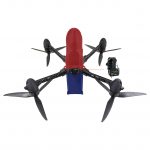
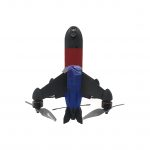

Drone racing and high‑octane cinematography share a common challenge: keeping a tiny aircraft stable and on‑target while moving at highway speeds. The emergence of the high-speed AI drone has solved many of the traditional pain points. Pilots can now focus on creative lines, while the onboard AI handles micro‑corrections, collision checks, and even predictive path smoothing.
Revolutionising Drone Racing——High-speed AI Drone
Traditional FPV racing requires months of stick‑time to master. With a high-speed AI drone, newcomers can use “race assist” modes. The AI recognises the racing gates (via colored LEDs or QR codes) and automatically adjusts yaw and pitch to fly through the centre. More advanced implementations also learn the racing line from previous laps – the drone can suggest when to brake or punch the throttle based on historical data.
Professional racers once feared AI would make the sport too easy. In practice, leagues now have AI‑Pro classes where human pilots compete with AI‑augmented controls. The result is higher average speeds and fewer mid‑air collisions. For example, the 2025 World Drone Racing Championship saw a 40% reduction in crashes after introducing mandatory AI collision avoidance.
Cinematic Advantages
Filming a motocross rider jumping through dust or a surfer dropping into a 20‑foot wave demands perfect tracking. A high-speed AI drone with deep learning‑based subject recognition keeps the target locked even when obstacles (trees, water splashes) briefly obscure the view.
-
Dynamic Zoom – The AI adjusts digital zoom while maintaining focus, creating a parallax effect that looks like a Hollywood dolly shot.
-
Automated Reveals – Program the drone to orbit a subject at 60 mph; the AI manages camera tilt and roll for silky footage.
-
Low‑light performance – Neural networks reduce noise in real‑time, allowing night‑time high‑speed chases that were impossible three years ago.
Safety First – AI as a Co‑Pilot
Even expert pilots make errors. A high-speed AI drone constantly runs a separate “safety net” process. If it detects that the drone is about to hit a building or the ground, it can take over control for up to two seconds – enough time to pull up. Many modern models include an emergency parachute that the AI triggers if it senses a free‑fall condition.
Choosing Between Racing and Filming Models
-
Racing‑focused – Higher top speed (90–100 mph), lower weight, simpler camera (for low latency). AI mostly for obstacle avoidance.
-
Cinema‑focused – Balanced speed (60–75 mph), heavier gimbal, advanced tracking AI, and high‑bitrate recording.
Final Thoughts
The high-speed AI drone is no longer a futuristic concept. It is here, and it is making both racing and aerial filming safer, more accessible, and visually stunning. As AI chips become cheaper, expect every fast drone to come with intelligent co‑pilot features by default. Whether you want to win a championship or shoot a blockbuster reel, investing in AI‑powered speed is the smartest move you can make.
